This chart doesn’t really make comparison shopping easier, but it was fun to create.
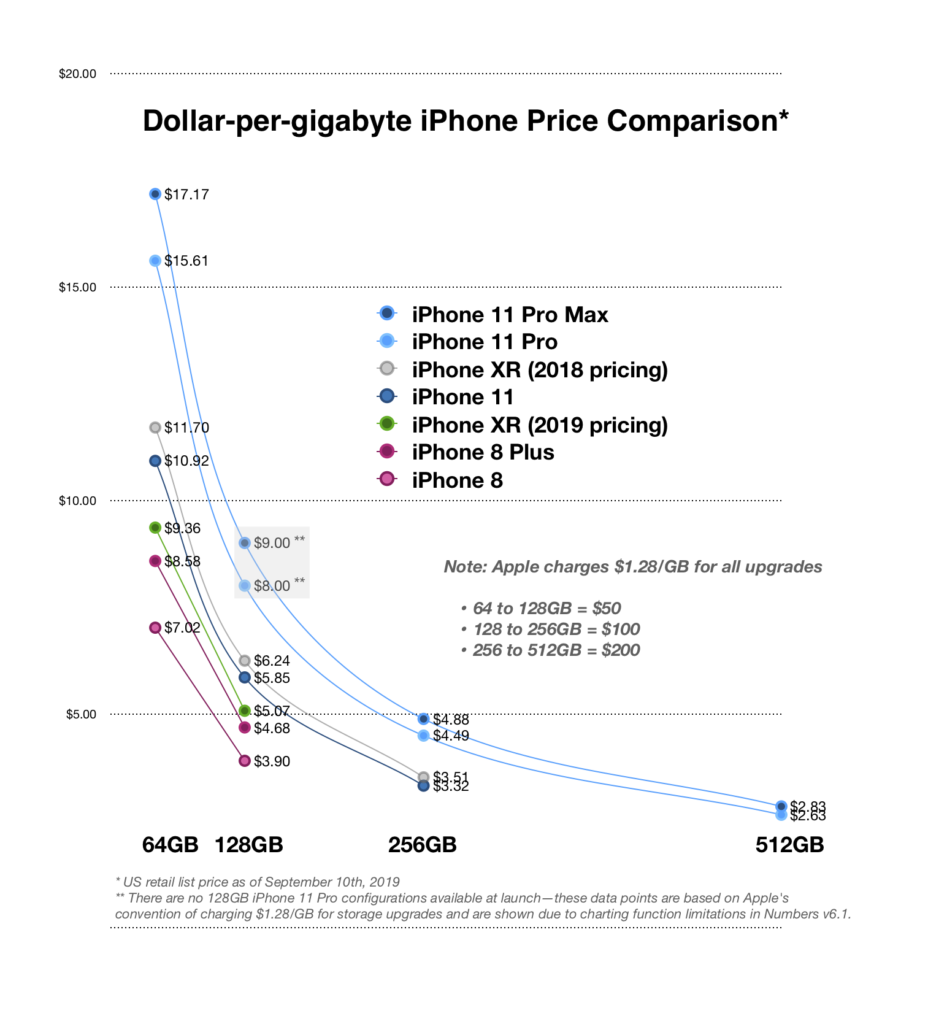
This chart doesn’t really make comparison shopping easier, but it was fun to create.
I’ll leave my original post in place, but there is no need to follow the manual removal steps detailed below, thanks to Apple taking the unusual step of treating commercial software in use by millions as malware.
http://www.mondaynote.com/2012/09/02/apple-never-invented-anything/
For thirty years, the industry had tried to create a tablet, and it had tried too hard. The devices kept clotting, one after the other. Alan Kay’s Dynabook, Go, Eo, GridPad, various Microsoft-powered Tablet PCs, even Apple’s Newton in the early nineties….they didn’t congeal, nothing took.
The more effortless the results seem to be, the increased likelihood that those responsible put uniquely competent effort into the achievement.

If the Letter from Mark Zuckerberg in Facebook’s SEC IPO registration is a true representation of how Facebook functions, and they are able to maintain the Hacker Ethic he espouses after going public, FB will be a worthwhile long-term financial investment.
In the late 1980s I read about the original definition of hacking in Steven Levy’s fascinating telling of the computer industry foundation story, Hackers – Heroes of the Computer Revolution. The 25th anniversary edition includes  a 2010 interview with Zuckerberg.
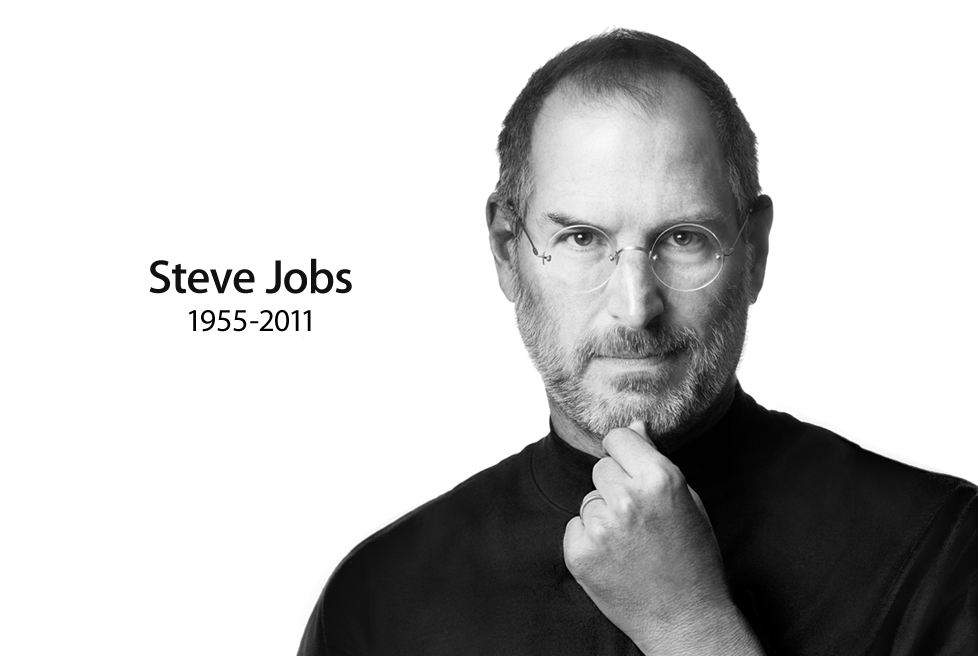
The misfit. The rebel. The troublemaker. The round peg in the square hole.
The one who saw things differently. He wasn’t fond of rules. And he had no respect for the status quo. You can quote him, disagree with him, glorify or vilify him.
About the only thing you can’t do is ignore him. Because he changed things. He invented. He imagined. He healed. He explored. He created. He inspired. He pushed the human race forward.
Maybe he had to be crazy.
How else can you stare at a circuit board and see a work of art? Or say no to a thousand great ideas so you can say yes to the one? Or gaze at a box full of parts and imagine a bicycle for the mind?
(apologies to Craig Tanimoto)
Thanks to the success of flash memory-based iPod, iPhone, iPad and now MacBook Air product lines, Apple has become the largest buyer of NAND flash semiconductors among computer manufacturers, and among the top three buyers across all industries. If the remaining MacBook models are redesigned as Steve Jobs hinted they would around flash storage and no optical drives, and further tuning improves already impressive performance, the next generation of MacBook Pros are going to sell very well.
Less expensive, much lighter, considerably faster and with a cool new App Store built in, the 2011 MacBook lineup should significantly accelerate OS X market share gains.
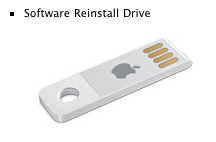
Apple is including an 8GB “Software Reinstall Drive” USB flash memory device with the new MacBook Air laptops introduced today.  I wish they had gone with SD instead, but since they can’t seem to justify the cost of including SD card slots in the low-end MacBooks this is the best alternative, and you can’t put a keychain/lanyard hole in an SD card.
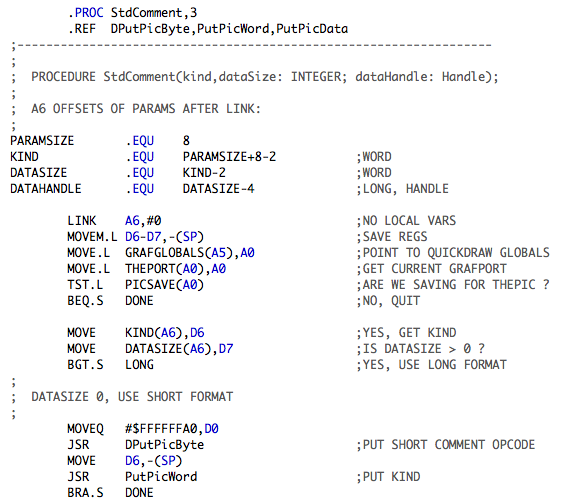
Yay! Bill Atkinson’s source code for the original MacPaint (and QuickDraw) has finally been released to the public in the form of a donation to the Computer Museum in Mountain View.
http://www.computerhistory.org/highlights/macpaint/
In writing MacPaint, Bill was as concerned with whether human readers would understand the code as he was with what the computer would do with it. He later said about software in general, “It’s an art form, like any other art form… I would spend time rewriting whole sections of code to make them more cleanly organized, more clear. I’m a firm believer that the best way to prevent bugs is to make it so that you can read through the code and understand exactly what it’s doing… And maybe that was a little bit counter to what I ran into when I first came to Apple… If you want to get it smooth, you’ve got to rewrite it from scratch at least five times.”
Now mere mortals like myself can study the magic.


I’ve started playing with the Google Japanese input method first released last month. Even in beta it is stable and fast enough to use as my primary IME, and the dictionaries built from Google’s search index seem to work well. When I tried inputting my name, the first suggestion it offered after typing 「ã˜ã‚‡ãˆã€ was French chef ジョエル・ãƒãƒ–ション (Joël Robuchon), something that would never have happened out of the box with Kotoeri.
Â